- Hydration
- Texture
- Senstivity
*1 being needs improvement, 5 being excellent
Your Personalized Overview
Your skin profile is a combination of potential discoloration and darker pigmentation. Below are some of the keys to your skin:
Dark Skin - more likely to find yourself with a dark mark, or what's referred to as Post-Inflammatory Hyperpigmentation (PIH) if you breakout and your acne heals.
Predisposed Discoloration - it's possible that the discoloration of your skin tone can have genetic or hormonal causes, such as having Melasma or having hormonal fluctuations. There are less external steps you can control to prevent these factors, but lifestyle and diet changes can sometimes help.
Exfoliation - proper exfoliation can be largely beneficial to your skin type. We generally don't recommend mechanical exfoliation; instead, opt for products with ingredients such as Lactic Acid or Azelaic Acid.
Lightening - traditional dark mark lightening products such as Hydroquinone can actually bleach darker skin tones, so we recommend opting for more natural-based lighteners, such as products containing Vitamin C
Things That May Affect Your Skin
Genetics
Given that you have a history of acne in your family, there is a strong probability your blemishes have a genetic link. Take a look at what their skin responds to, and chances are your skin will respond as well. Although there is nothing you can do about genetics, a good skincare routine, and consistent facials can keep most blemishes at bay.
Diet
Studies are finally showing what has been common sense for decades: your diet can affect your acne. Given your heavy consumption of processed foods, your blemishes may be caused by a spiked insulin response in your body, which causes inflammation. Try to eat a more balanced diet with low-glycemic foods like vegetables and fruits, and also try cutting out dairy products from your diet. In many of our clients, this can produce dramatic results when coupled with a good skincare regimen.
Environment
Your living environment may be a cause of your acne. Pollutants, and the higher stress levels associated with your living environment can result in clogged pores and higher levels of inflammation. Although you may not be able to control the external, you can still be diligent about protecting your skin from the elements with a lightweight moisturizer.
Stress
Your higher levels of stress may be making your acne worse. Stress triggers inflammatory responses in the body, and also may cause your skin to produce more sebum, clogging pores. Daily exercise, mediation, and practicing relaxation techniques can help calm flare ups triggered by stress.
Blemishes
If you have acne blemishes, you might notice red marks when they heal. This is known as PIH, or Post-Inflammatory Hyperpigmentation. Treating the existing acne is essential, as well as wearing sunscreen to avoid dark marks from getting worse. A consistent exfoliating skincare routine can also help cellular turnover, which can help marks fade faster.
Ethnicity
Your ethnicity makes you more prone to discoloration in the skin, given your skin tone. Be diligent about your skincare routine, and always make sure to wear SPF when you'll be exposed to the sun. If you are of African decent, be careful about using lightening products, as they may actually make discoloration worse.
Beneficial Ingredients To Watch For
Salicylic Acid
effective for non-inflammatory acne, oil plugs, and discoloration

Green Tea
highly soothing and anti-inflammatory that may help with discoloration

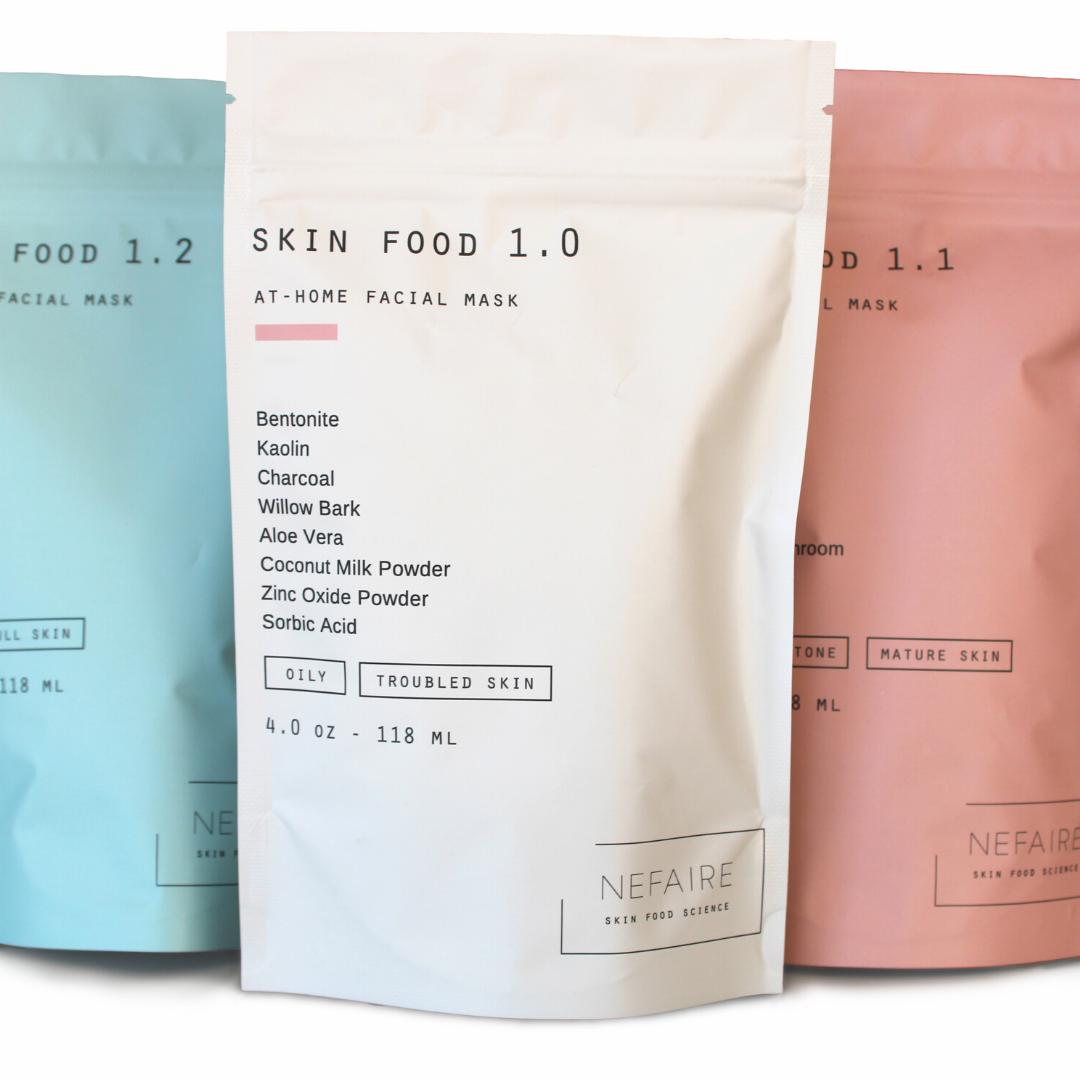
Willow Bark Extract
natural antiseptic + exfoliant

Rose Petals
Skin Brightener

Pomegranate Seed Extract
Antioxidant + Vitamin C-Rich