Loading...
Skip to content
  • Services
  • Showroom
  • About
  • Shop
Nefaire
  • Gift
  • Login Register
  • (0)

Skin Profile

Home/Quizzes/Quiz_9028451367
FMH
N + D
Normal-Discoloration
  • Hydration
  • Texture
  • Senstivity

*1 being needs improvement, 5 being excellent

Your Personalized Overview


Your skin profile is a combination of discoloration and potential PIH (Post-Inflammatory Hyperpigmentation). Below are some of the keys to your skin:

Lighter Pigmented Skin - more likely to find yourself with a dark mark, or what's referred to as Post-Inflammatory Hyperpigmentation (PIH) if you breakout and your acne heals. Always wear sunscreen with at least SPF 30 if you'll be exposed to the sun.

Predisposed Discoloration - it's possible that the discoloration of your skin tone can have genetic or hormonal causes, such as having Melasma or having hormonal fluctuations. There are less external steps you can control to prevent these factors, but lifestyle and diet changes can sometimes help.

Exfoliation - proper exfoliation can be largely beneficial to your skin type. We generally don't recommend mechanical exfoliation; instead, opt for products with ingredients such as Lactic Acid or Azelaic Acid.

Lightening - To help with discoloration, Vitamin C Serums can be a good natural option to brighten your skin tone.

Things That May Affect Your Skin

Genetics

Given that you have a history of acne in your family, there is a strong probability your blemishes have a genetic link. Take a look at what their skin responds to, and chances are your skin will respond as well. Although there is nothing you can do about genetics, a good skincare routine, and consistent facials can keep most blemishes at bay.

Hormones

As a female in the pregnancy or in the menopause stage, shifting hormones can be a a big factor in causing blemishes, brought on by an increase in androgen male hormones. Your acne will likely occur on the jawline, chin, and cheek area, and be red and inflamed - reducing irritation is key. Make an effort to destress, and ask your skin therapist about LED light therapy along with your facial to reduce redness.

Genetics

Given that you have a history of acne in your family, there is a strong probability your blemishes have a genetic link. Take a look at what their skin responds to, and chances are your skin will respond as well. Although there is nothing you can do about genetics, a good skincare routine, and consistent facials can keep most blemishes at bay.

Hormones

When bulking and eating in a caloric surplus, insulin spikes from the increased carbohydrate load can usually result in inflammation and blemishes. If you are consuming Whey protein as well, the dairy content can also be a trigger for acne in many people. Try switching to soy protein instead, and always wash your face immediately after exercising to help prevent clogged pores.

Blemishes

If you have acne blemishes, you might notice red marks when they heal. This is known as PIH, or Post-Inflammatory Hyperpigmentation. Treating the existing acne is essential, as well as wearing sunscreen to avoid dark marks from getting worse. A consistent exfoliating skincare routine can also help cellular turnover, which can help marks fade faster.

Sun Exposure

Your sun exposure habits may be making dark marks worse. Vitamin D is without a doubt good for the skin, but prolonged exposure without SPF can make discoloration worse, and prolong the process of fading. Always use sunscreen when going out, and try to abstain from tanning beds as well if you have discoloration.

Genetics

If people in your family have freckles or melasma, chances are, your skin discoloration may be caused by genetics, as 80% of skin conditions and skin type are usually inherited. This being said, ask your skin therapist about the Hydrafacial MD. The salicylic acid in the treatment can help fade the darker spots, while revealing a more even skin tone underneath.

Ethnicity

Your ethnicity makes you more prone to discoloration in the skin, given your skin tone. Be diligent about your skincare routine, and always make sure to wear SPF when you'll be exposed to the sun. If you are of African decent, be careful about using lightening products, as they may actually make discoloration worse.

Hormones

Your hormonal fluctations may be triggering discoloration in your skin. Fortunately, regular exfoliation can help greatly, as well as treatments that remove the top layer of the skin, such as the Hydrafacial MD.

Blemishes

If you have acne blemishes, you might notice red marks when they heal. This is known as PIH, or Post-Inflammatory Hyperpigmentation. Treating the existing acne is essential, as well as wearing sunscreen to avoid dark marks from getting worse. A consistent exfoliating skincare routine can also help cellular turnover, which can help marks fade faster.

Genetics

If people in your family have freckles or melasma, chances are, your skin discoloration may be caused by genetics, as 80% of skin conditions and skin type are usually inherited. This being said, ask your skin therapist about the Hydrafacial MD. The salicylic acid in the treatment can help fade the darker spots, while revealing a more even skin tone underneath.

Shaving

If you aren't being gentle with your skin when shaving, the irritation caused by the blade can lead to marks and discoloration that takes weeks, even months to fade. Being gentle is critical, as is using a moisturizer after shaving to protect the skin. If you get blemishes as well, shave around the bumps, be sure to get on a routine to treat those first, before focusing on discoloration.

Beneficial Ingredients To Watch For

3300

Salicylic Acid

effective for non-inflammatory acne, oil plugs, and discoloration

3298

Green Tea

highly soothing and anti-inflammatory that may help with discoloration

3180

Willow Bark Extract

natural antiseptic + exfoliant

3181

Rose Petals

Skin Brightener

2997

Pomegranate Seed Extract

Antioxidant + Vitamin C-Rich
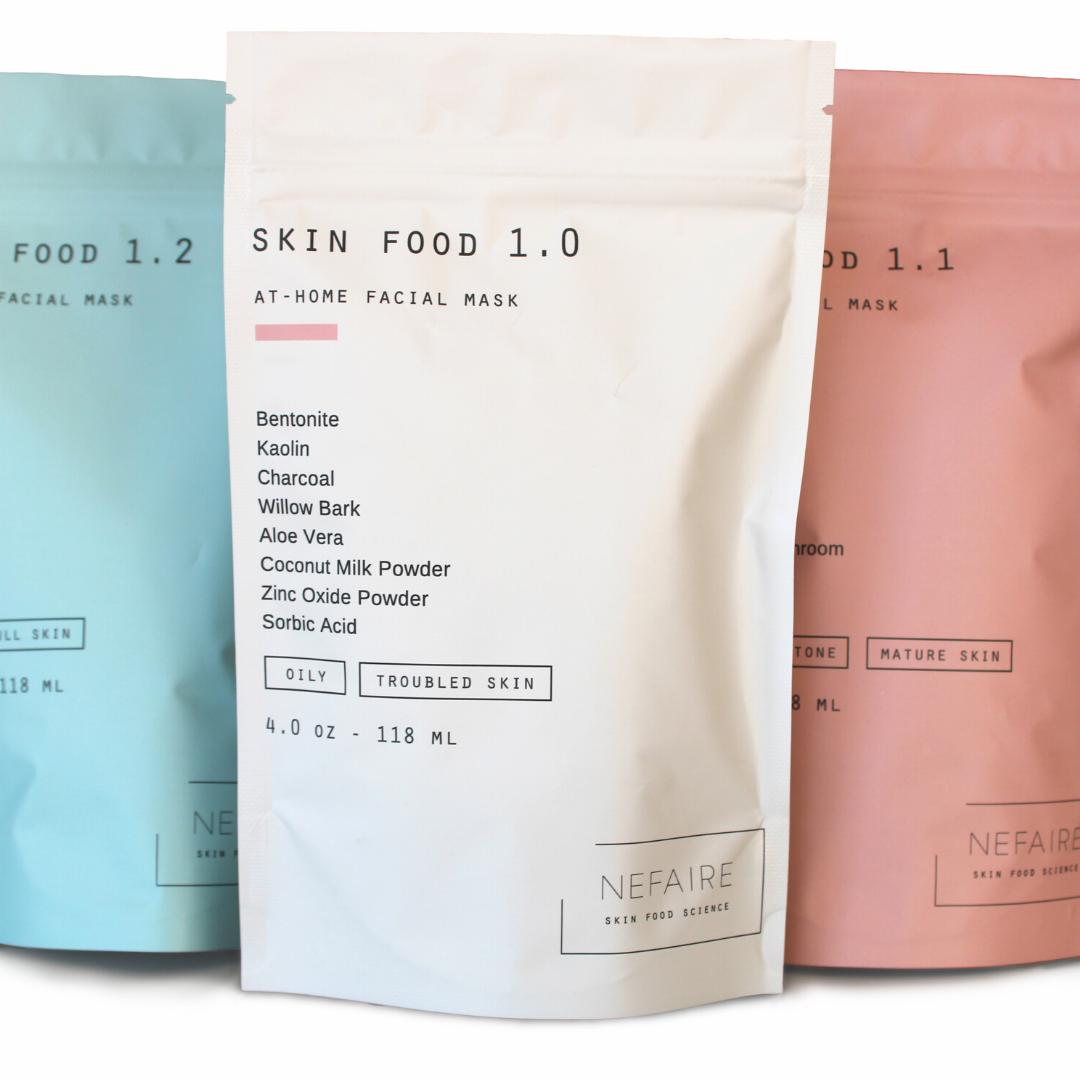
Product Recommendations

  • Multi-Masking 3 Pack

    Multi-Masking 3 Pack

    $85
Nefaire
  • Membership
  • Contact
  • Policies

© Nefaire 2026

Nefaire - Skin Food Science
  • Products
  • Services
  • Showroom
  • About
  • Gift
  • Cart
  • Login / Register