*1 being needs improvement, 5 being excellent
Your Personalized Overview
Your skin profile is a combination of acne and potential discoloration. Below are some of the keys to your skin:
Lighter Pigmented Skin - more likely to find yourself with a dark mark, or what's referred to as Post-Inflammatory Hyperpigmentation (PIH) after acne heals. Always wear sunscreen with at least SPF 30 if you'll be exposed to the sun.
Control Acne First - before tackling dark marks, it's important to treat the underlying acne first so new marks can't appear. A combination of regular facials, diet shifts, and lifestyle changes can help make a big difference.
Exfoliation - proper exfoliation can be largely beneficial to your skin type. We generally don't recommend mechanical exfoliation; instead, opt for products with ingredients such as Lactic Acid or Azelaic Acid.
Patience - 85% of your peers at your age will experience acne at some point. Your hormones are generally still in flux which can lead to blemishes, but changing various lifestyle and dietary habits can help stabilize these shifts.
Things That May Affect Your Skin
Genetics
Diet
Sun Exposure
Genetics
Beneficial Ingredients To Watch For
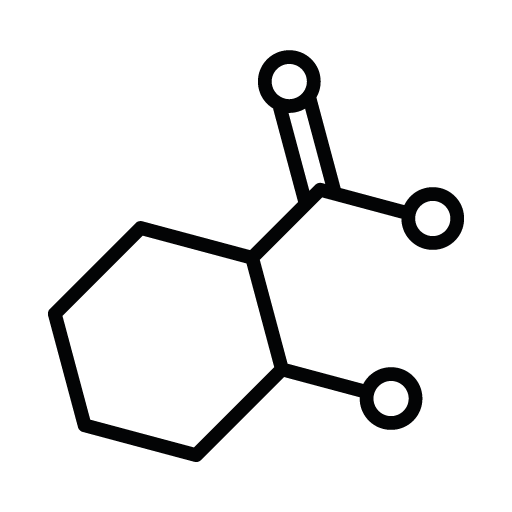
Salicylic Acid
effective for non-inflammatory acne, oil plugs, and discoloration

Green Tea
highly soothing and anti-inflammatory that may help with discoloration
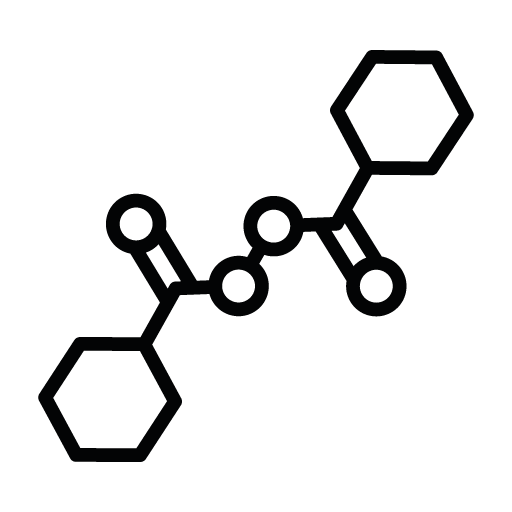
Benzoyl Peroxide
when applied at 2.5% concentration and following a consistent, gentle regimen, BP can treat most mild to medium forms of acne
Vitamin B5 (Supplement)
some acne studies show vitamin b5 supplementation can help significantly decrease acne and control oil

Vitamin A (Supplement)
Accutane and Retinol are forms of Vitamin A - people with acne tend to be deficient and daily supplementation can help

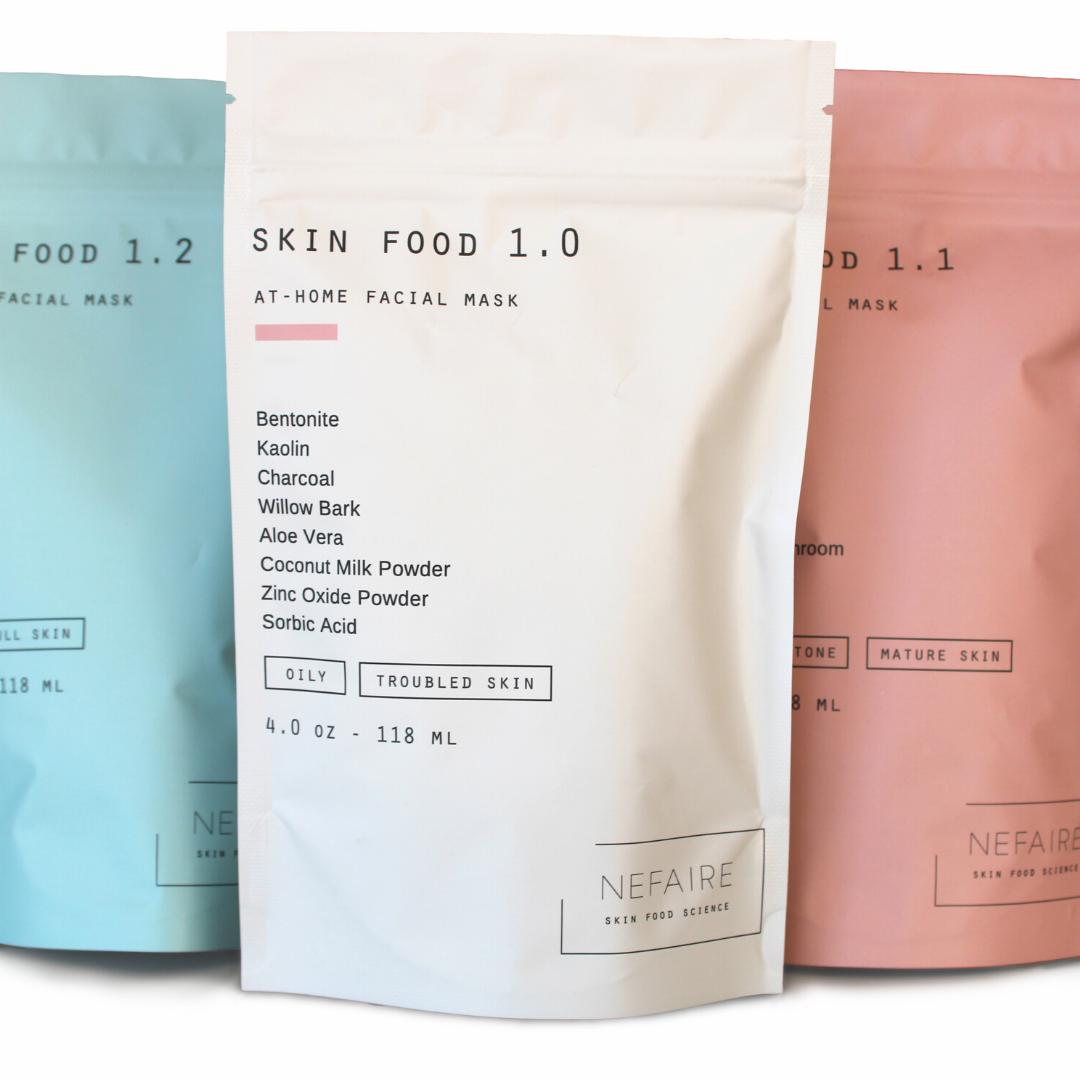
Willow Bark Extract
natural antiseptic + exfoliant
Zinc Oxide
anti-inflammatory

Activated Charcoal
Detoxifying // Oil-Absorbing // Unclogs Pores // Reduce Blackheads

Aloe Vera
Antioxidants A, C, and E // Anti-Inflammatory // Soothes Redness and Irritation

Bentonite Clay
Detoxifying // Draws toxins out // Controls excess sebum